 Skip to content
Healing and personal development often thrive with the right leadership. Reconnoitring recovery books gives people confidence, clarity, and fortitude to face life’s tests. These books offer plans, insights, and reassurance for those looking for a fresh start. With every page, readers learn new ways to hold healing, develop pliability, and step into a happier future. As a result, recovery work becomes a vital tool for anyone following transformation.
Recovery literature portrays a vital role in individual change. These books deliver comfort while also contributing criminal wisdom. Readers find stories of bravery that repeat them, so they are not unaccompanied. Because of this, retrieval literature becomes more than just words on a page—it develops a roadmap for alteration. Furthermore, it inspires readers to build faith in themselves while also inspiring belief in their aptitude to heal.
Discovering the Right Mindset Book
Mindset affects every decision we make. A powerful mindset book inspires readers to substitute self-doubt with confidence in development. Through knowledge to shift viewpoint, people uncover for themselves things they never thought possible. This change not only influences retrieval but also recovers relationships, vocations, and overall happiness. In addition, it lets individuals embrace tests as opportunities rather than problems, which reinforces emotional resilience.
The Value of the 12 Steps of Recovery Book
The 12-step recovery book is one of the most trusted capitals for healing. It delivers a structured method for overcoming fights while building public support. This book imparts responsibility, uprightness, and self-reflection. As booklovers follow a piece step, they gain applied tools that make lasting change. Moreover, education encourages receipt, gratitude, and self-effacement, which are essential for long-term development. Consequently, this book leaves a cornerstone for numerous recovery journeys.
How Books Support Emotional Healing
Emotional healing needs understanding and endurance. Recovery works help booklovers process spirits and develop pliability. These stories authenticate personal knowledge, making problematic emotions calmer to navigate. In addition, they stimulate readers to save, moving forward smoothly when development feels slow. Since healing is infrequently a straight trail, these books remind us that every step matters.
Stories That Inspire Change
Personal stories often have the most influence. Reading about others who confronted similar tests brings comfort and stimulus. These stories remind us that development is possible and hindrances can be overcome. Furthermore, they show that bravery and perseverance finally lead to alteration. As a result, readers frequently feel fortified to continue their individual journey with rehabilitated determination.
Lessons That Build Strength
Books often highlight the rank of resilience. They teach booklovers how to express adversity with bravery. Over time, these educations turn into applied habits that shape everyday life. In addition, books inspire readers to apply plans such as mindfulness, thankfulness, and optimistic affirmations. Therefore, expressive strength becomes not only attainable but also maintainable through reliable practice.
Using Books as Daily Guidance
Consistency is vital during retrieval. By reading a little each day, people strengthen new beliefs and break commitments. Books develop friends, always ready to deliver insight and reassurance. As a result, work transforms from inert reading into a lively tool for daily motivation.
Applying What You Learn
Applying lessons is just as significant as interpreting them. A retrieval book inspires readers to take minor, unlawful steps. These steps alter knowledge into development. Furthermore, smearing what you read guarantees that ideas do not continue abstract but in their real consequences. Because development requires action, this practice shapes confidence and impetus.
Journaling Alongside Reading
Journaling excavates the process. Writing likenesses after interpretation elucidates lessons and personalizes them further. This custom builds consciousness and makes long-term growth. In addition, journaling lets readers track vicissitudes, sign patterns, and rejoice in progress. Therefore, combination reading and script improves the whole recovery journey.
Building Community Through Shared Literature
Recovery is sturdier when communal with others. Reading composed creates joining and joint support. It helps people feel less isolated while learning from different viewpoints. Moreover, public discussions deepen sympathy and provide reassurance that persons may not discover on their own.
Book Clubs and Support Groups
Many recovery collections use works as a basis for discussion. Sharing visions strengthens sympathy and builds accountability. This repetition often leads to deeper, lasting relationships. In addition, these collections create a harmless interplanetary space where people can speak amenably about their tests. Consequently, memberships benefit from both individual reflection and shared wisdom.
The Role of Hope and Motivation
Hope keeps people moving forward smoothly when tests arise. Retrieval literature fosters hope, finished reassurance, and evidence of achievement. Motivation is produced as book lovers see proof that alteration is real. In addition, reading about pliability helps people remember that hindrances are temporary. Therefore, books continue to be powerful cues of the strength within.
Keeping Momentum Strong
Books repeat to readers why they started their journey. Whenever incentive fades, re-entering powerful passages reintroduces willpower. This practice assists sustained development. Furthermore, many writers design their books with movements that make incentive a part of daily life. As a result, impetus builds progressively and reliably.
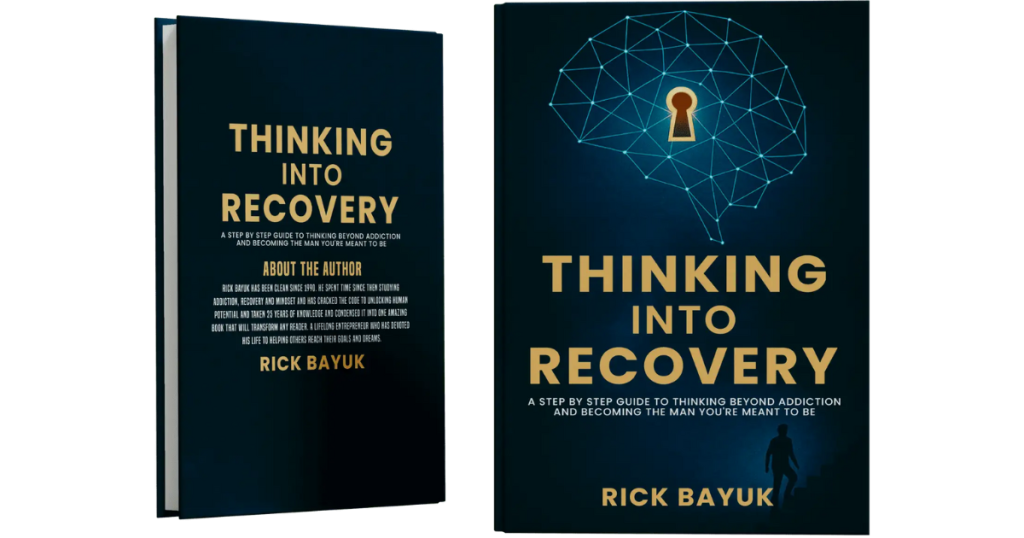
The Thinking into Recovery Book
The Thinking into Recovery book leaders finished the mindset changes that provide. It highlights the power of opinions in shaping movements. Therefore, it assists readers in substituting negative series with optimistic growth.
Conclusion
Exploring recovery books proposes more than direction—it proposes transformation. From the understanding of the 12 steps of recovery book to the reassurance of an influential mindset book, literature delivers tools that settle and authorise. By reading, shining, and smearing these lessons, anybody can find fortitude and rehabilitative hope. Eventually, recovery work reminds us that development is likely every day and that a small step brings us closer to lasting alteration.
