 Skip to content
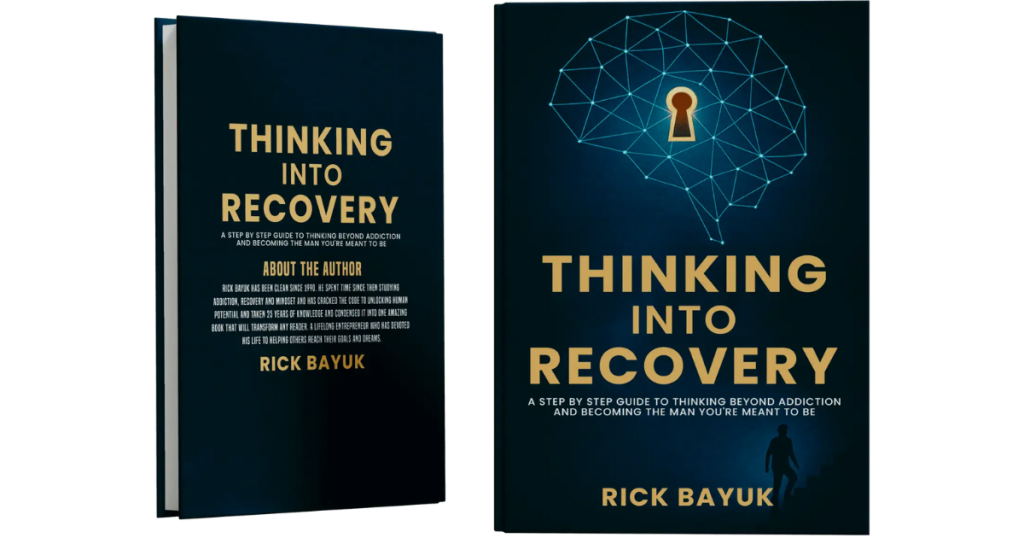
Recovery is not a solitary step but an enduring journey. It frequently stresses patience, devotion, and strong expressive support. While numerous people fight with doubt, others find leadership in tools that redesign their way of reasoning. A mindset book offers applied wisdom and established techniques that stimulate change. It also prepares people with strategies that inspire healthier selections. By concentrating on building pliability, such a book delivers clarity and hope throughout stimulating times. With every new-fangled perspective, retrieval becomes more attainable and sustainable.
The Importance of a Healthy Mindset in Recovery
Healing twitches in the mind. When opinions are clouded by terror or negativity, retrieval feels out of place. A positive attitude creates room for development. It changes focus from past fights to future chances. A mindset’s book often leads readers to finish this transition. By contributing real examples, it displays how people substituted limiting politics with authorising ones. As a result, they increased the strength of expression trials and continued forward.
Mindset as the Foundation for Change
Every transformation starts with belief. Without confidence, movements lose meaning. A mindset book reminds readers that development starts within. By unstable thought designs, people make room for flexibility. They learn that hindrances are not disappointments but chances to grow. In this way, attitude becomes the basis of lasting recovery.
Blueprints for Addiction Recovery
Healing requires construction. Blueprints for addiction recovery help as reliable leaders, contributing step-by-step tactics that support reliable progress. These blueprints highlight daily routines, managing strategies, and approaches for structuring inner fortitude. With such tools, people feel less overwhelmed. Instead, they gain sureness knowing they are next on a clear path.
Practical Applications of Blueprints
Blueprints are not nonconcrete theories. They comprise practical methods that people can apply daily. For example, numerous plans emphasize journaling, thought, or regular check-ins with counsellors. Others pressure physical activity and mindfulness. By following these practices, people develop healthier procedures. Over time, these ways reinforce a stable lifestyle that promotes long-term recovery.
The Role of a Recovery Coach
Guidance from others can alter the retrieval journey. A recovery coach delivers encouragement, accountability, and a way. Unlike old-style therapists, trainers often share personal knowledge that builds faith. They serve as counselors who walk alongside their clients. Their part is to keep people focused on development, even when hindrances occur.
Building Trust with a Recovery Coach
Trust is the foundation of each coaching association. A recovery coach helps customers recognize their development. They inspire small wins, which lead to larger achievements. With reliable support, clients start to believe in their own possibilities again. This trust reinforces resilience and guarantees lasting commitment.
Accountability and Motivation
Accountability is an influential motivator. A recovery coach holds clients accountable for their actions. However, this accountability is not punitive. Instead, it stimulates people to stay dedicated to their goals. By rejoicing in progress and speaking about challenges together, trainers help maintain incentive throughout retrieval.
Combining Tools for Stronger Outcomes
True transformation needs a combination of provision systems. A book on mindsets presents fresh viewpoints. Blueprints for addiction recovery deliver structure. A recovery coach proposes private guidance. When combined, these capitals create an influential foundation for curation. Each element accompanies the other, creating the retrieval journey sturdier and more sustainable.
The Balance Between Knowledge and Action
Knowledge alone is not sufficient. Action makes retrieval possible. While a mindset book stimulates, it is the request of its wisdom that creates change. Similarly, blueprints deliver direction, but promises ensure results. A coach bridges the gap by supervisory action and reinforcing consistency. This balance makes expressive and lasting outcomes.
Overcoming Challenges Along the Way
Recovery is infrequently simple. Tests arise in many procedures, from expressive triggers to unforeseen setbacks. Yet, these instances can become rotating points. Amindset’s book assists readers in reframing setbacks as knowledge opportunities. Blueprints for addiction recovery repeat individuals on their organised path. Meanwhile, a recovery coach offers reassurance to keep moving forward. Together, they make trials manageable.
Turning Setbacks into Strength
Every trial carries a lesson. By seeing obstacles as chances, people build pliability. A mindset book reinforces this viewpoint. With reassurance from a recovery coach and organised blueprints, hindrances become tools for development. Over time, this method builds sturdier confidence and self-belief.
The Emotional Side of Recovery
Healing includes more than physical alteration. Emotional retrieval is equally significant. Many people struggle with guilt, disgrace, or fear. A mindset book speaks to these emotions with sympathy and sympathy. It provides leadership on how to substitute negative spirits with self-acceptance. With the assistance of blueprints and a helpful coach, expressive balance becomes attainable.
Building Emotional Resilience
Emotional pliability allows people to cope with stress without getting caught up in focus. A mindset book teaches plans like mindfulness and self-reflection. These do encourage serenity during overwhelming circumstances. With organised plans and training support, expressive stability becomes a usual part of retrieval.
Conclusion:
Recovery is more than overwhelming obstacles—it is about generating a focused and resilient life. With the leadership of blueprints for addiction recovery, people in a structured environment find development less irresistible. A trusted recovery coach adds accountability and reassurance, ensuring no one has to walk the path alone. Most highly, a mindset book offers the stimulus to shift limiting politics into authorising ones, proving that development is always possible. Together, these tools alter recovery into a trip of healing, fortitude, and renewed purpose.
At the heart of this procedure lies the attitude itself. A healthy viewpoint helps people reframe setbacks as chances and recognize each step onward as progress. When structure, support, and stimulus align, recovery becomes maintainable and fulfilling. By accepting the understanding of a mindset book, the clarity of retrieval blueprints, and the reassurance of a dedicated coach, individuals can rise above the past and form a brighter, more confident future. Healing is not only likely—it is within reach for anyone eager to take the first step.
