 Skip to content
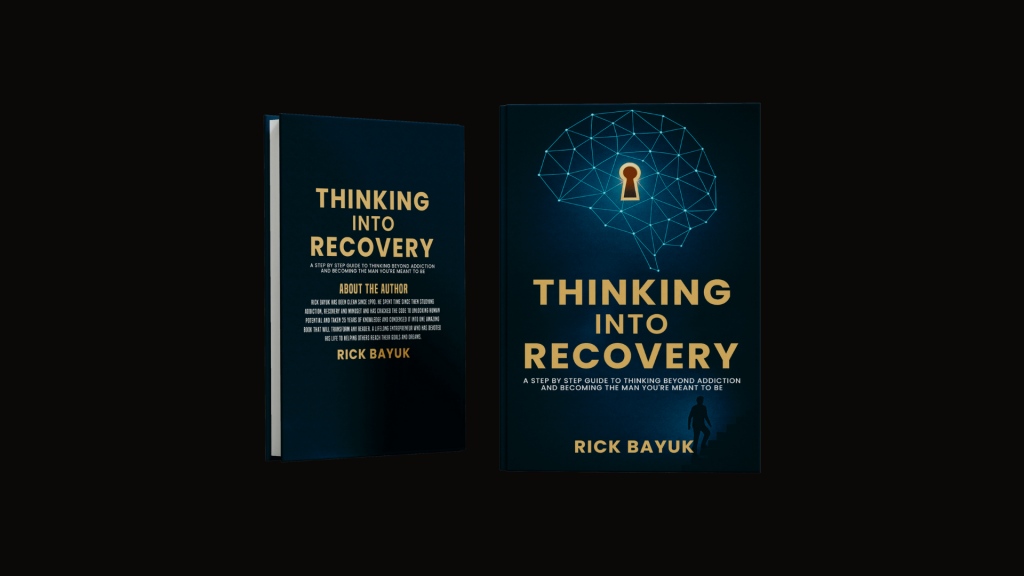
Recovery begins with experience, and 12 step recovery books offer that basis through structured understanding and lived insight. These books show readers via reflection, responsibility, and regeneration with clarity and heart. Moreover, they offer ideas in a grounded way that is achievable. As a result, readers often feel less devastated and more hopeful. In the middle of the voyage, 12-step recovery books serve as constant companions rather than rigid manuals. They inspire honest self-assessment while helping emotional growth.
Additionally, these pieces help individuals reconnect with meaning and direction. Because recovery demands patience, these books highlight progress rather than ideal. Furthermore, they relate personal healing to daily action. Over time, readers create resilience through invariant guidance. Consequently, recovery becomes a lived knowledge instead of a distant goal. When closed with openness, these help support a transformation that feels natural, licensing, and sustainable.
The Role of Structure in Personal Recovery
Structure creates security during uncertain times, which is why healing frameworks matter. A 12 steps of recovery book offers transparency when emotions feel spread. First, it introduces ideas in a logical flow. Then, it strengthens learning through repetition and reflection. As a result, readers build confidence step by step. Moreover, this design reduces confusion during emotionally burdensome moments. Because improvement feels measurable, motivation grows naturally. Additionally, a 12 steps of recovery book motivates accountability without judgment. Over time, readers start trusting the process. Consequently, recovery feels less intimidating. When advice feels organized, development becomes more manageable. Therefore, design supports consistency, which boosts long-term commitment.
Why Guided Reading Strengthens Commitment
Guided reading heightens focus and intention throughout healing. Instead of thinking about the next step, readers mind a clear path. As a result, the surface improves. Furthermore, thoughtful prompts encourage more resonant insight. A 12 steps of recovery book helps this process through suitable language. Because models feel relatable, knowledge grows faster. Additionally, readers are less isolated during challenges. Over time, dedication strengthens through clarity and repetition. Therefore, directed reading transforms purpose into daily practice.
Emotional Clarity Through Written Reflection
Written reflection makes space for openness and awareness. When feelings are named, they become effortless. A 12 steps of recovery book often prompts journaling for this reason. Consequently, readers process affairs with greater transparency. Moreover, reflecting strengthens emotional brains. Because discernment are written, they feel real. Over time, this habit helps emotional balance. Therefore, written consideration becomes a powerful recovery tool.
Building a Sustainable Life Recovery Path
True transformation lasts when daily practices align with discounts . Life recovery relies on consistency instead of power. Therefore, recovery books highlight small, repeatable steps. As readers use lessons slowly, confidence increases. Moreover, tolerable habits reduce emotional burnout. Because improvement feels steady, cause remains strong. Life rehab also focuses on personal commitment. Consequently, people regain control over decisions. Over time, strength replaces chaos. Thus, tolerable recovery creates long-term balance.
Practical Wisdom for Everyday Challenges
Every day challenges test healing progress. However, advice prepares readers for these moments.12-step recovery books manage real-life situations with compassion. As a result, readers feel comprehended . Moreover, useful examples simplify complicated emotions. Because keys feel realistic, confidence grows. Over time, challenges become education opportunities. Therefore, practical knowledge supports resilience.
Rebuilding Confidence Through Daily Action
Confidence grows via action, not will alone. Recovery books stress consistency for this reason. Life healing strengthens when activities align with values. Consequently, self-trust grows naturally. Moreover, daily action reinforces belief in transformation. Because improvement is visible, trust increases. Over time, people feel empowered. Thus, daily activity fuels recovery.
Trust, Accountability, and Inner Growth
Trust forms the basis of healing. 12-step recovery books stress honesty with self and others. As a result, responsibility feels supportive instead of restrictive. Moreover, faith strengthens relationships. Because honesty reduces shame, development accelerates. Over time, people develop self-respect. Therefore, syndicate and accountability drive inner mutation.
The Importance of Community Insight
Shared experiences heighten understanding. Many comeback books reflect communal wisdom. 12 steps of recovery book education often draw from actual stories. Consequently, anthologies feel connected. Moreover, residents’ insight normalizes work. Because challenges feel communicated , hope grows. Over time, belonging supports commitment.
Personal Responsibility as Empowerment
Responsibility authorizes change. Life recovery enhances when someone owns their actions. Consequently, transition feels intentional. Moreover, accountability builds confidence. Because choosing feels deliberate, improvement becomes meaningful. Over time, charge replaces helplessness.
Long-Term Growth Beyond Initial Healing
Recovery grows beyond early success. 12-step recovery books design readers for long-term development. As a result, regression prevention feels useful. Moreover, development remains intentional. Because education continues, stagnation fades. Over time, recovery deepens. Therefore, healing evolves into a lifestyle.
Maintaining Progress Through Reflection
Review maintains awareness. A 12 steps of recovery book enables periodic review. Consequently, ripening remains visible. Moreover, consideration identifies patterns early. Because understanding increases, adjustment becomes more comfortable. Over time, gain stabilizes.
Aligning Purpose With Daily Living
Purpose shows direction. Life recovery supports when actions mirror meaning. Consequently, motivation stays steady. Moreover, purpose anchors decisions. Because transparency improves, trust grows. Over time, life handles intentionally.
Conclusion
Recovery thrives when advice feels supportive and practical. 12 step recovery books provide that credit through structure, thought , and compassion. In the middle of personal modification , these resources promote patience and persistence. Moreover, they remind us that progress evolves through consistent effort. 12-step recovery books back emotional clarity while promoting accountability and trust. As a result, recovery feels dropped rather than overwhelming. Furthermore, they allow individuals to shape habits that support life recovery over time. Because growth evolves slowly , confidence seasons with each step forward. Consequently, rescue becomes a life instead of a distant goal. When hovered with openness and commitment, these books delegate readers to rebuild soundness, rediscover intention, and move forward with restored strength and clarity.
