 Skip to content
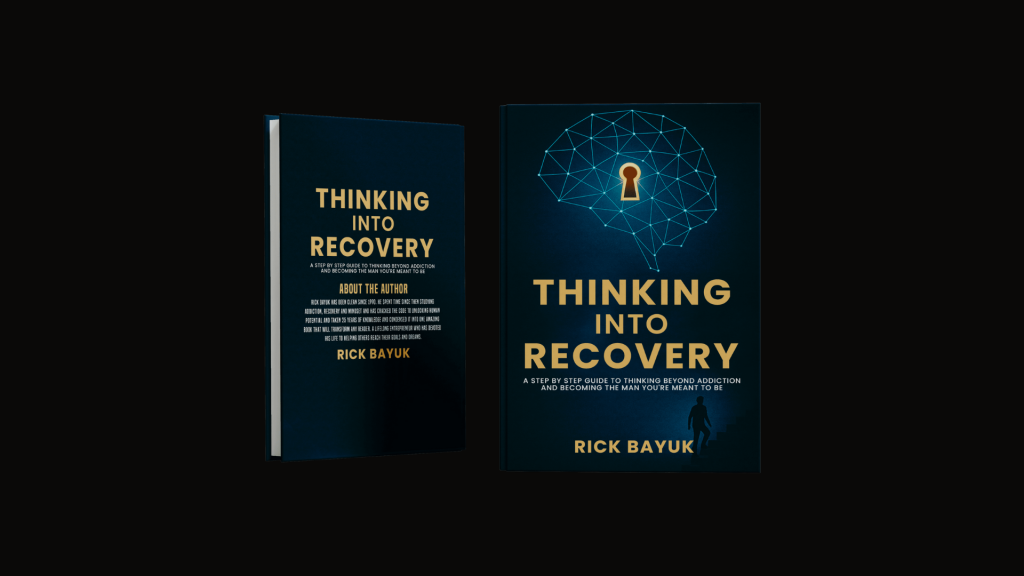
Recovery starts with a shift in philosophy that changes daily decisions. The Thinking into Recovery book offers that shift via clear direction and reflective insight. At its core, the message prompts responsibility, understanding, and purposeful thinking. Moreover, it describes how thoughts shape practices over time. As a result, readers know to pause before reacting. They begin to answer with clarity instead. Although healing often feels overwhelming, this approach feels effortless. Therefore, improvement becomes consistent sooner than rushed. The method highlights the system while honoring personal pace.
Consequently, readers feel invested instead of pressured. In addition, the tone stays grounded and hopeful throughout. The Thinking into Recovery book places strong force on growth through learning. It invites readers to follow patterns and gently reshape them. Over time, conviction increases through reiterated positive choices. Furthermore, the language remains practical and relatable. Because of that, classes feel easy to apply daily. This mindset inspires accountability without determination. Ultimately, recovery changes into a sustainable lifestyle embedded in awareness.
A New Perspective on Personal Change
Personal transformation begins when thinking patterns are discussed honestly. This recovery approach centers on mental transparency and responsibility. Therefore, readers know to identify manners linked to past habits. Rather than focusing on guilt, the process emphasizes learning. As a result, gain feels empowering. The Thinking into Recovery book describes how intentional thought reshapes long-term conduct. Moreover, it stresses patience as a power. Because growth occurs gradually, consistency counts most. Consequently, readers create trust in themselves again. The method also supports moving balance. In turn, decision-making becomes more relaxed and clearer. Although challenges still arise, comebacks improve steadily. Furthermore, the advice remains useful and realistic. This philosophy encourages steady reflection. Eventually, people develop stronger self-respect. Through mindful thought, change becomes bearable . Therefore, a comeback feels achievable and purposeful.
Why Mindset Matters in Recovery
Mindset affects every action taken during healing. When thoughts align with discounts, choices improve unpretentiously. The Thinking into Recovery book emphasizes this relationship clearly. As thinking improves, inspirational reactions soften. Consequently, strength strengthens over time. Moreover, an attentive mindset reduces impulsive conduct. Because awareness grows, responsibility feels natural. Therefore, readers learn to wait before acting. This pause makes space for healthier responses. Additionally, the procedure builds internal motivation. External intimidation becomes less important. As a result, improvement continues even during difficult points. The guidance stays supportive and reassuring. Over time, mindset evolutions create lasting habits. Recovery then becomes an inner commitment sooner than a struggle.
Structure That Supports Long-Term Growth
Clear structure often supports recovery outcomes. This procedure introduces routines dropped in thoughtful awareness. The Thinking into Recovery book summarizes steps that feel realistic. Therefore, readers bypass feeling overwhelmed. Each concept builds upon the last one. As a result, education feels steady. Moreover, design brings predictability to daily life. This strength reduces stress greatly. Because habits guide behavior, trust increases. Consequently, individuals charge their process more. The method respects personal differences. Therefore, readers adjust ideas to their own pace. Growth evolves personal and expressive. Over time, structure changes into self-discipline. This compensation supports long-term recovery success.
Building Consistency Through Reflection
Reflection helps strengthen positive routines. By rethinking daily actions, understanding improves. The Thinking into Recovery book motivates honest self-checks. Consequently, small adjustments become more manageable. Moreover, review prevents old habits from producing unnoticed. Because improvement is observed regularly, cause stays high. Therefore, character strengthens naturally. Reflection also helps emotional understanding. As a result, responses become calmer. This practice exacerbates personal insight. Over time, character creates confidence. Recovery then handles stability and reliability.
Recovery Designed for Real Life
Recovery must fit daily duties to last. This system recognizes real-world forces. The Thinking into Recovery for men addresses useful challenges thoughtfully. Therefore, addresses feel relevant and appropriate. The guidance appreciates personal roles and promises. Consequently, recuperation integrates into everyday practices. Moreover, the style remains direct and supportive. This correction encourages blame. Because keys feel realistic, engagement grows. Over time, recovery aligns with emotional values. Growth resumes without disruption. The Thinking into Rehab for men focuses on inner power. As a result, trust develops steadily.
Emotional Awareness and Accountability
Emotional awareness plays a strong role in recovery. Comprehending emotions prevents sudden reactions. The Transformational recovery book emphasizes this skill clearly. Therefore, readers memorize to observe emotions calmly. This awareness creates accountability. Moreover, duty feels empowering. Because feelings are understood, choices enhance. Consequently, improvement becomes steady. The system encourages openness without shame. Over time, moving balance strengthens stability. Recovery feels dropped and intentional.
Conclusion
Recovery flourishes when thinking aligns with intention and awareness. Throughout this journey, the Thinking into Recovery book supplies a steady framework for significant change. It encourages accountability while maintaining heart. Moreover, it helps growth through reflection and feeling. As individuals spread these principles, trust builds gradually. Therefore, healing becomes sustainable and proportional. The guidance highlights mindset as the foundation of conduct. Consequently, long-term transformation feels achievable. This procedure respects individual rate and real-life challenges. Over time, awareness intensifies emotional resilience. The Thinking into Recovery book strengthens purposeful living through reflective choices. As a result, recovery blends into daily life naturally. Ultimately, this route supports lasting transformation dropped in clarity, dedication, and self-respect.
