 Skip to content
A strong basis defines every expressive healing journey. Therefore, a recovery coach offers clarity, construction, and steady underpinning during skeptical moments. Recovery initiates when guidance supersedes confusion and hope supersedes fear. Moreover, people often feel overwhelmed when guiding emotional pain alone. Because of that, personalized coaching becomes essential. A coach helps people rebuild trust in themselves while restoring daily corrections. Additionally, rescue requires accountability, motivation, and realistic goals.
Although healing is complex, a consistent recommendation simplifies the procedure. As a result, individuals recover confidence and advice. Furthermore, experienced coaching emphasizes forces rather than restrictions. Each step forward strengthens resilience and emotional stability. Meanwhile, structured discussions create space for introspection and growth. Ultimately, a recovery coach certifies individuals to move forward with intent and renewed self-belief while hugging change with courage.
Understanding Life Recovery as a Personal Journey
Life recovery initiates with self-awareness and planned change. Therefore, life rehab focuses on rebuilding passionate, mental, and behavioral corrections. Healing does not follow a straight path. Instead improvement happens through small, compatible actions. Moreover, personal accountability plays a key role in modification. Individuals memorize to face challenges without avoidance. Therefore, confidence develops over time. Additionally, recuperation involves learning from reverses rather than fearing them. Although the strategy feels demanding, persistence creates inner strength. As a result, people rediscover purpose and provocation. Furthermore, touching healing improves connections and daily decision-making. Life convalescence encourages self-empathy and patience. Meanwhile, supporting guidance strengthens dedication to change. Ultimately, sustained exertion starts to bring sting strength and fulfillment.
Emotional Awareness and Growth
Emotional awareness creates the foundation for rescue. Therefore, realizing feelings allows people to respond deliberately. Suppressed feelings frequently delay progress. However, open reflection elevates clarity and acceptance. Moreover, touching growth requires honest self-evaluation. People learn patterns influencing their conduct. Consequently, healthier responses return harmful habits. Additionally, expressive intelligence improves contact and self-control. Although feelings feel intense, mindful processing facilitates overwhelm. As a result, moving equilibrium boosts resilience. Furthermore, comprehending fosters compassion and self-respect. Growth appears when emotions guide joyous action rather than fear.
Rebuilding Identity After Trauma
Trauma disrupts personal interchangeability and self-worth. Therefore, recovery requires redefining self-perception. People often feel confused about their values. However, deliberate reflection restores inner alignment. Moreover, comprehending past experiences promotes forgiveness and blessing. Consequently, people reclaim confidence and independence. Additionally, redefining identicalness encourages healthier perimeters. Although a concussion leaves lasting impressions, development remains possible. As a result, someone’s regain control over their narrative. Furthermore, restored identity supports emotional peace and purpose.
The Role of Trauma Recovery Books in Healing
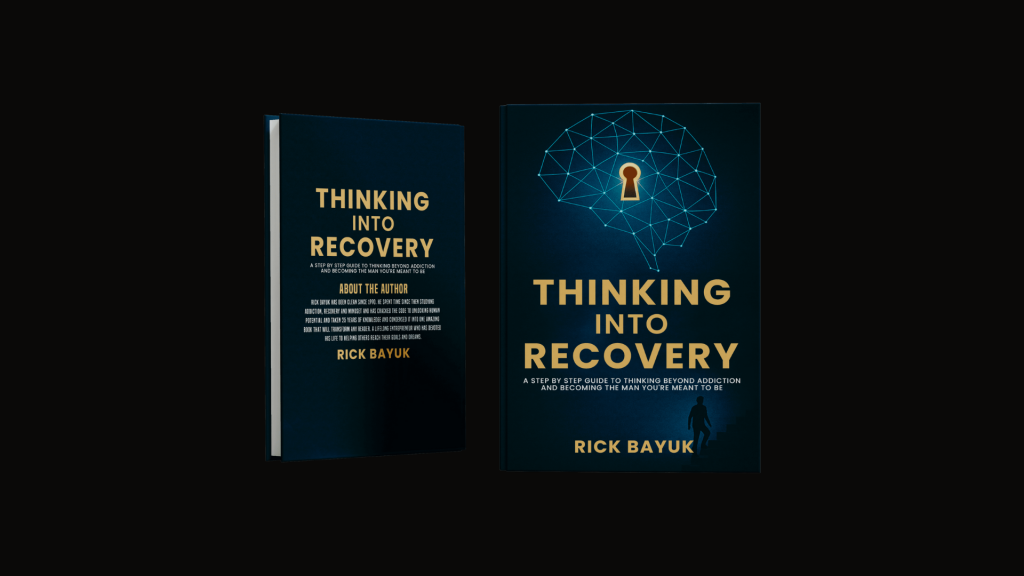
Knowledge revs healing when applied consciously. Therefore,trauma recovery books provide insight, assurance, and guidance. Reading assists individuals in understanding passionate responses. Moreover, communicated experiences reduce feelings of seclusion. Consequently, learning becomes empowering sooner than overwhelming. Additionally, books suggest practical strategies for coping. Although reading alone cannot replace action, it sustains growth. As a result, individuals gain insight and clarity. Furthermore, trauma recovery books facilitate reflection and self-compassion. Each assignment boosts emotional strength and attention.
Learning Through Shared Experiences
Stories reverberate deeply during healing. Consequently, shared backgrounds create connection and performance. Readers recognize acquainted emotions and challenges. Moreover, compassion develops through relatable narratives. Consequently, people feel less alone in their scrabble. Additionally, remembering from others inspires longing and perseverance. Although occasions differ, emotions usually align. As a result, morale in recovery increases. Furthermore, intercommunicated wisdom fosters expressive strength and patience.
Applying Knowledge to Daily Life
Knowledge returns value through effort. Therefore, applying senses transforms apprehending into progress. Small transitions reinforce positive habits. Moreover, intended practice strengthens stirring control. Consequently, daily patterns become more proportional. Additionally, an invariant application builds confidence. Although lapses occur, persistence ensures evolution. As a result, learning evolves sustainable healing. Furthermore, wholesome application intensifies long-term rescue goals.
How a Recovery Coach Supports Long-Term Change
A professional license enhances focus and fault. Therefore, a recovery coach provides structured guidance. Trainers help individuals clarify purposes and priorities. Moreover, personalized plans address unique challenges. Thus, progress becomes measurable and motivating. Additionally, coaching motivates responsibility and self-discipline. Although transformation feels difficult, agreeing to support eases transitions. As a result, people maintain momentum. Furthermore, coaching fosters trust and self-trust.
Conclusion
Healing transformations live through responsibility and guidance. Therefore, a recovery coach helps people to adopt growth confidently. Recovery strengthens emotional strength and self-awareness. Moreover, integrating knowledge, support, and movement provides a lasting difference. Consequently, people rebuild trust in themselves. Additionally, recuperation improves relationships and personal fulfillment. Although challenges exist, perseverance guides progress. As a result, a comeback becomes a lifelong journey of appointment. Furthermore, intentional growth, hope, and purpose. Embracing support fosters tolerable healing and renewed confidence.
