 Skip to content
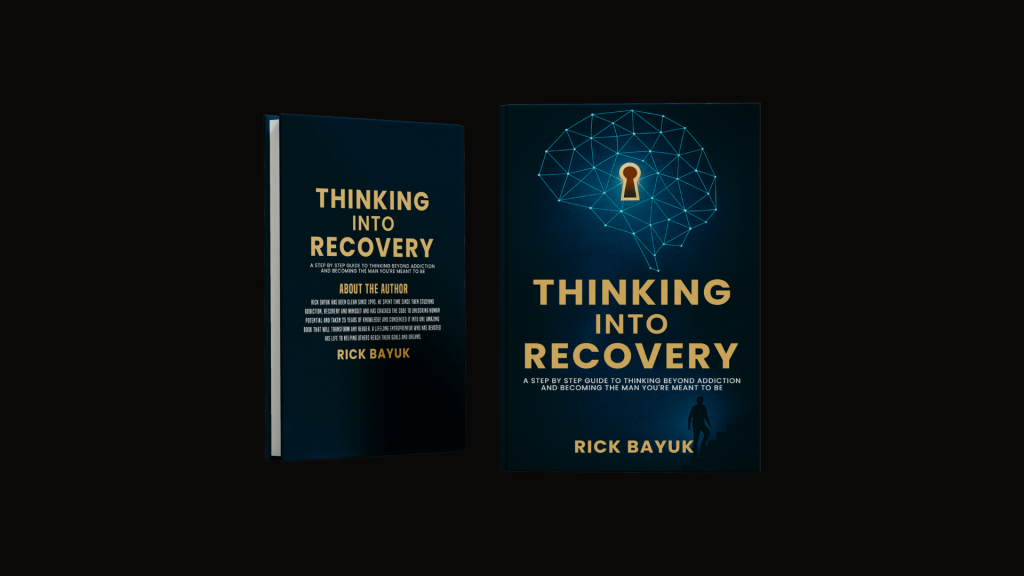
Growth begins when understanding meets intention, and books on growth mindset help bridge that crack through insight and consideration. These books encourage readers to see challenges as possibilities instead of limitations. As a result, they invest in emotional recovery, self-belief, and private responsibility. Rather than swearing instant results, they suggest steady transformation via daily mental shifts. Importantly, they align with healing principles used in recovery and personal growth.
Moreover, these books stress progress over perfection, which fosters patience and resilience. They motivate readers to replace self-judgment with trinket and effort. Over time, this approach reshapes how people react to setbacks. Instead of blocking, they adjust and continue forward. Consequently, development mindset learning becomes bearable and deeply personal.
Additionally, numerous of these works draw from psychology, neuroscience, and lived adventure. This combination strengthens trust and credibility. Therefore, readers’ sense supported rather than advised. When rehearsed, the ideas move from idea into daily behavior. Ultimately, books on a growth mindset help people cure patterns that once limited growth and spirit.
Understanding the Growth Mindset Philosophy
A growth philosophy centers on the idea that abilities materialize via effort and learning. This idea reshapes how people consider intelligence, emotions, and strength. Instead of marking failure as weakness, it becomes feedback for advancement. As a result, the incentive stays active even during challenging moments.
Furthermore, this philosophy advocates emotional healing because it diminishes shame. When mistakes feel safe to study, growth feels possible. Therefore, anthologies experience less fear and more curiosity. Many growth mindset books demonstrate this shift using real circumstances and reflective practices. This policy helps readers relate theory to lived experience.
Why Mindset Shapes Emotional Recovery
Healing needs belief in change, and mindset impacts that belief daily. When people feel stuck, fixed thinking often supports pain. However, flexible thinking asks for new responses. Therefore, growth perspective learning supports expressive safety and progress.
Moreover, mindset involves how individuals interpret past occasions. Instead of seeing damage, they determine lessons and power. Many books to read for a growth mindset focus on reframing internal reports. This process diminishes self-blame and builds self-trust.
Additionally, recovery interests repetition and effort. Growth supposing normalizes setbacks without judgment. As a result, people stay engaged even when improvement feels slow. Over time, emotional regulation enhances and confidence supports naturally.
The Science Behind Growth-Oriented Thinking
Neuroscience assures that the brain adapts via repetition and effort. This master’s degree, called neuroplasticity, funds growth mindset principles. When people rehearse new thoughts, neural pathways switch. Consequently, inspirational responses soften over time.
Furthermore, discovering literature shows that struggle increases skill retention. This supports the message shared in growth mindset books. They link science with daily practices to build trust. As readers comprehend the process, motivation increases.
Additionally, evidence-based explanations reduce skepticism. Readers feel empowered instead of pressured. This balance makes mindset work practical and emotionally safe.
How Growth Mindset Books Support Personal Change
Personal transformation requires clarity, character, and emotional openness. Books on a growth mindset address all three areas through guided reflection. They help readers identify patterns without judgment. As a result, awareness increases naturally.
Moreover, these books encourage action without being overwhelmed. Small steps replace drastic expectations. Therefore, change feels manageable and realistic. Many authors integrate journaling prompts and examples. This method supports accountability and engagement.
Additionally, personal change requires patience. Growth-focused reading reinforces long-term thinking. Over time, readers grow healthier self-talk and decision-making talents. Consequently, improvement becomes bearable and self-directed.
Applying Growth Mindset Lessons Daily
Learning counts most when applied invariably. Growth perspective reading urges daily integration through awareness. As a result, small activities compound over time.
Moreover, daily application builds confidence. Readers witness improvement through effort. Books on a growth mindset often highlight habit formation over intensity. This attitude reduces burnout.
Additionally, daily routine strengthens emotional ordinance. Over time, reactions replace reactions. Consequently, mindset shifts become honest and sustainable.
Building Healthy Thinking Habits
Habits shape products more than stimulation alone. Growth-focused reading apparently emphasizes this reality. Therefore, readers prioritize consistency.
Moreover, healthy thinking habits reduce emotional fatigue. Many books to read for a growth mindset encourage curiosity over judgment. This approach sustains engagement.
Additionally, habits create structure during uncertainty. Readers feel grounded and purposeful. Over time, clarity and confidence grow together.
Measuring Progress Without Pressure
Progress feels sustainable when pressure decreases. Growth mindset learning encourages gentle tracking. Instead of perfection, effort matters most.
Furthermore, reflection supports progress awareness. Readers recognize growth patterns. Many growth mindset books emphasize patience during evaluation.
Additionally, reduced pressure increases motivation. Readers remain committed without fear. This balance supports long-term personal development.
Conclusion
Long-term change relies on how individuals analyze effort, setbacks, and growth. Books on a growth mindset help reshape these performances with clarity and understanding. They enable readers to return self-criticism with interest and tolerance. As a result, moving healing becomes possible and tolerable.
Moreover, these books help recovery by normalizing improvement through effort. Readers learn that expansion unfolds gradually through awareness and action. Over time, this philosophy strengthens resilience and moving regulation. Therefore, knocks lose their power to define outcomes.Ultimately, selecting and applying books on a growth mindset supports endless personal transformation. Through thought, effort, and compassion, miscellaneous people move forward with transparency and strength.
